Two pence on a pint, twenty pence on a packet of fags. That’s how I remember budgets growing up.
This one was different though, and it’s not just because I’ve got older. The world has changed and so have my circumstances. I’m the co-founder of a small betting company and, grown up as I may now be, that doesn’t spare me or DragonBet from growing pains. And pain is exactly what this budget delivered. We expected it to be bad, we knew rises were coming, but the depth of them still caught us and the whole industry by surprise.
I’m no expert. I’m green, very green. DragonBet has only been going a few years. It’s really just a continuation and modernisation of mine and my brother David’s on-course bookmaking business, built from our father John Lovell’s racecourse pitches.
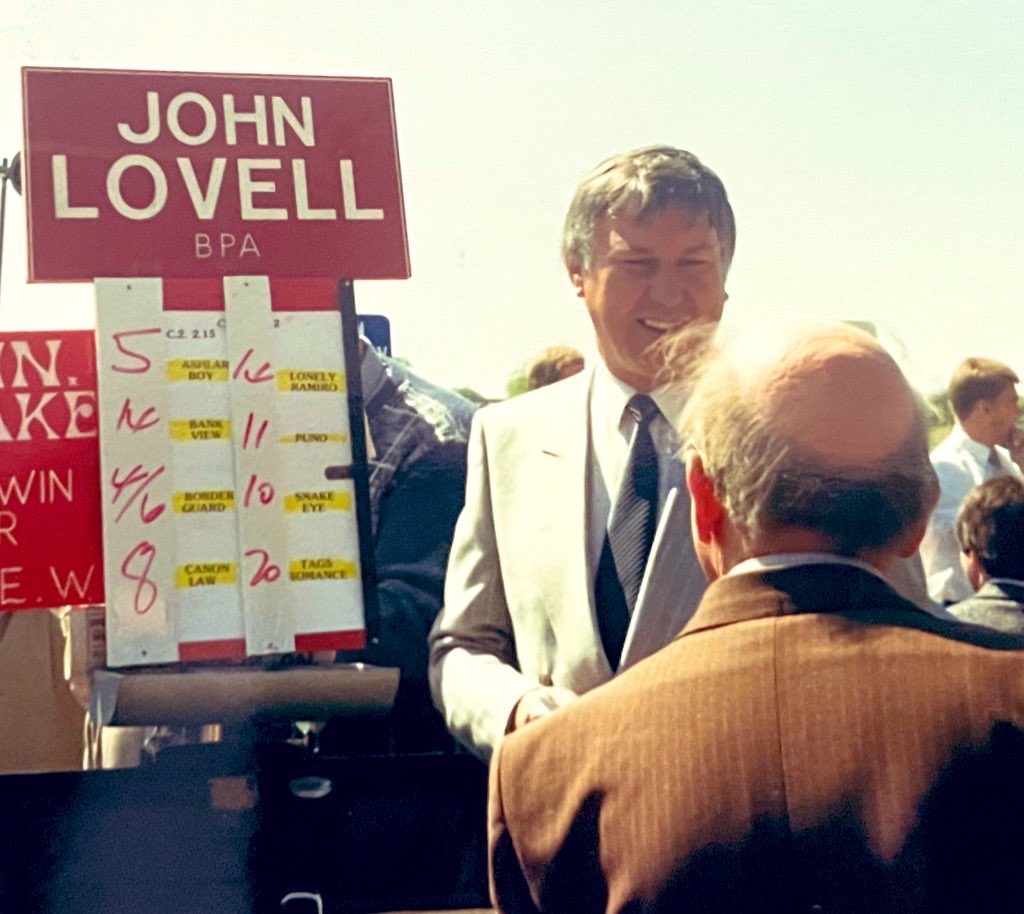
We’re green because we haven’t been doing it long, but what we lack in years we’ve made up for with effort and a genuine understanding of bookmaking. I’ve spent my life taking bets at racecourses, point-to-points and flapping greyhound tracks. David has spent his making a living out of punting. We’ve lived every side of the game.
These three years have been one hell of a ride and an even steeper learning curve. I’d hope they’ve given me enough insight to talk about the likely effects of this budget from the point of view of a small operator, how the bigger firms may react, and what it means for the sport I love: horse racing.
Because it isn’t simple. Increasing tax on casino and sports betting will damage racing more deeply than many realise. As a fan of the sport, that worries me.
I can’t promise solutions, and the chances of a rollback are close to zero. We are where we are. DragonBet will have to adapt and so will the whole industry.
The hardest hit in all of this, and the people given the least consideration, are the consumers. The average punter. They are the grease that keeps the machine turning. Whether people like it or not, UK racing is funded by losing punters.
But losing isn’t fun, and fun is what this whole industry is built on. I’ve always believed the biggest gap in defending betting is the lack of recognition of the value and enjoyment it brings. The buzz, the puzzle, the joy of being proven right and backing it with your own money. The social part too, the collective thrill you feel on a racecourse or in a betting shop when you’re cheering one home with like-minded people.
Punters know they’ll be wrong more than they are right. They accept that the enjoyment comes at a cost, but they also need to feel they’ve got a chance. The dog needs to see the hare every now and again.
My worry now is that it will be even harder to win, even short term. Margins will go up. Free bets that extend the entertainment and Best Odds Guaranteed — which doesn’t turn losers into winners but makes a pound last longer — are on the way out.
Punters will still bet, but they will lose more and they will lose quicker. And that is where racing will suffer. Not everyone keeps a P&L. Most judge things by instinct and enjoyment. But there is no enjoyment in ripping through pound notes quickly. Horse race punting works better as a subscription-style model than an upfront cost, and racing needs its subscribers to stay in the game.
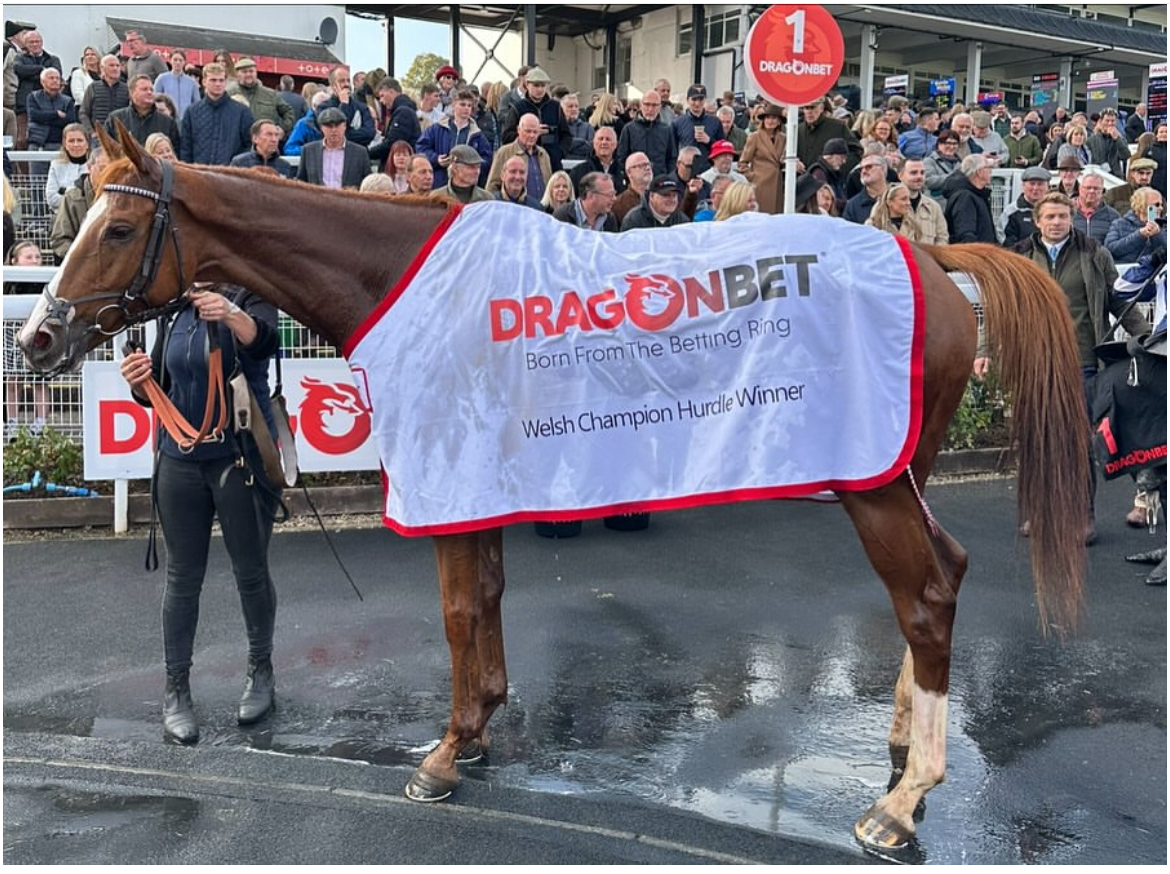
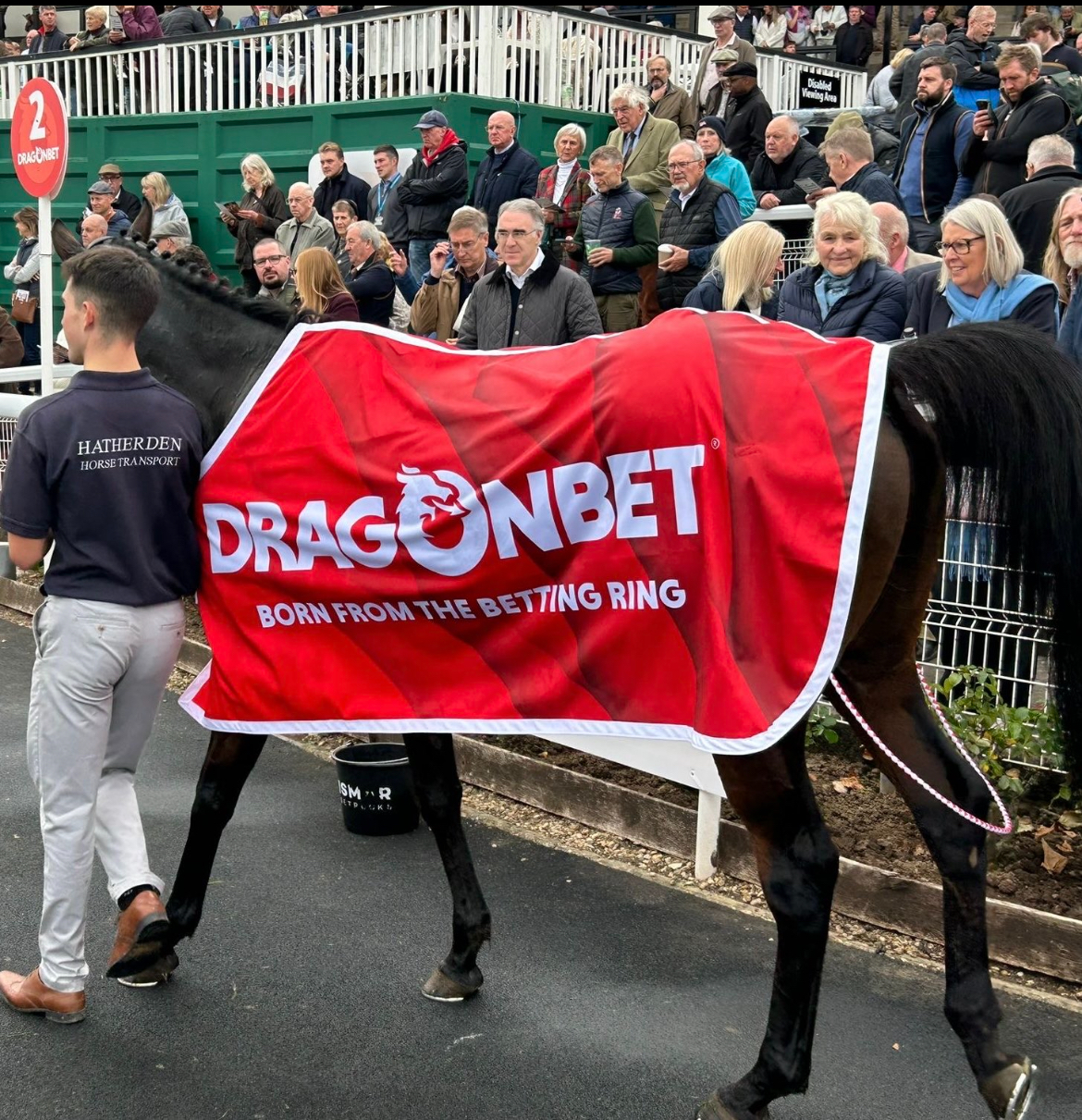
Racing also needs funding, through sponsorship and through the levy. We are a small company but we have grown fast and employ around fifty people. Racing is central to what we do. It is front and centre on our site and in our marketing. I haven’t counted precisely but we must be close to having sponsored two hundred races since launch, plus a racing stable and a jockey.
All of that now has to be reconsidered and quite possibly dropped.
We can’t push racing any harder. It is by far our least profitable sport for return on investment and the marketing budget definitely doesn’t come from it.
If there is a silver lining for a company our size, it is that surviving this may bring us closer to the big firms. We offer Best Odds Guaranteed, extra places, a loyalty club and free bets. As an independent we’ve set ourselves apart through service, a proper risk appetite and an understanding of what it is to be a punter.
We don’t have the tech the big firms use for automated tracking or personalised offers. We can’t see that someone who loves golf hasn’t bet for a few weeks and fire them a Ryder Cup special. I don’t see a future where bonuses, extra places, Best Odds Guaranteed or huge marketing spend carry on as they are now. Big bookmakers who rely on bonusing for acquisition and retention are in trouble. I hope we gain an edge by building a community of people who appreciate the way we operate and understand what we value: the punter.
There will also be fewer new entrants to the regulated market.
The black market will thrive. Customer harm will rise.
We have built our business with compliance at its centre. Of our fifty staff, around twenty work in compliance and safer gambling. I can’t pretend we have never had a problem gambler with us, but I can say we have always done everything we can to identify and protect people using the tools and resources we have. I’ve been around gambling my whole life. I have seen people suffer from it. It is a terrible thing. But higher taxes, a more expensive product and a bigger black market won’t help them.
So what is the plan for DragonBet?
To keep going. To get better. To work twice as hard just to stand still. It’s possible, and it is something the masochistic streak in every bookmaker strangely relishes.
Our visible sponsorships and overall spend will come down, but we have staff to look after and to do that we have to survive on less short-term revenue. I just hope racing is doing what I am doing: looking inward, ready to take some medium-term pain for the sake of long-term survival.