There are few better places to learn the art of bookmaking than a point-to-point.
No comforting exchange screen telling you what price a horse ought to be. No great weight of public form to lean on. Just you, your opinions, your customers and the uncomfortable knowledge that some of them probably know considerably more than you do.
It’s bookmaking in its rawest form, and I absolutely love it.
Point-to-point racing has been an important part of the Welsh racing landscape for generations. Horses, jockeys, trainers and owners have learnt their trade between the flags before progressing to bigger stages.
It has done much the same for me as a bookmaker.
It’s where you learn to understand your overround, anticipate where the money might come from and decide whose opinion deserves your attention.
You also learn that it isn’t always how much someone bets that matters. Sometimes it’s who is doing the betting.
Sadly, before Covid, Wales staged 17 point-to-point meetings. Today, we’re down to just five.
That’s not merely 12 fewer afternoons of racing. It’s 12 fewer opportunities for young jockeys to learn, trainers to develop horses, owners to enjoy the sport and bookmakers like me to practise our trade.
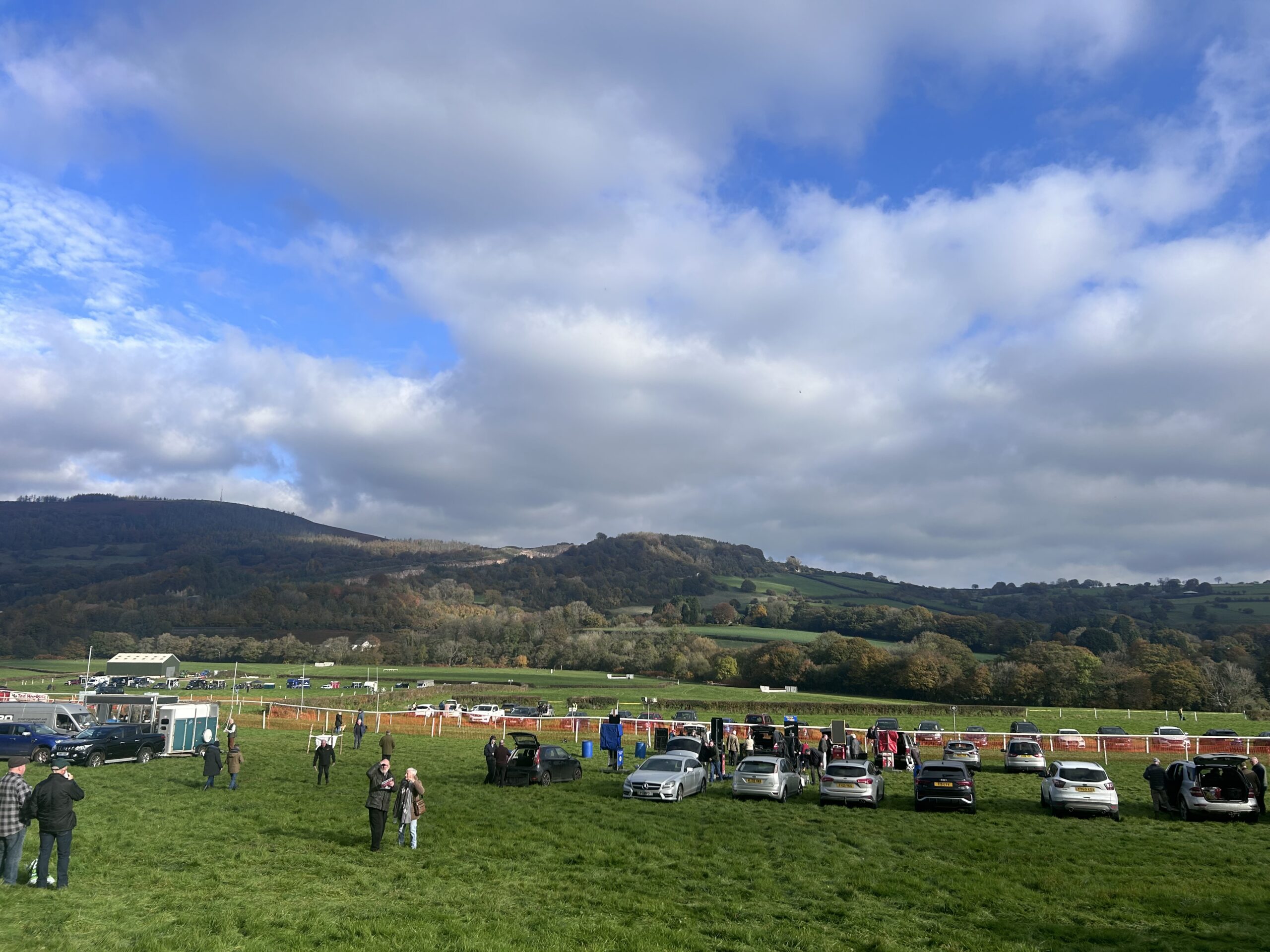
Which is why we owe an enormous debt of gratitude to Dai Walters and the army of volunteers who made racing possible at the magnificently picturesque setting of Lower Machen.
I had six races ahead of me and, as it turned out, several opportunities to remember things I really ought to know already.
Race one: welcome back
Having been away from pointing for a while, I waited for the bookmaker Mark Hill to price up the restricted. In my opinion, Mark is the leading form judge at these meetings.
Early bookmaking lessons have taught me that there is very little upside in being first up with your prices. Get them right and the bets arrive at a trickle. Drop a rick and you’ll get knocked off the stand by a stampede of punters with cash in their hands.
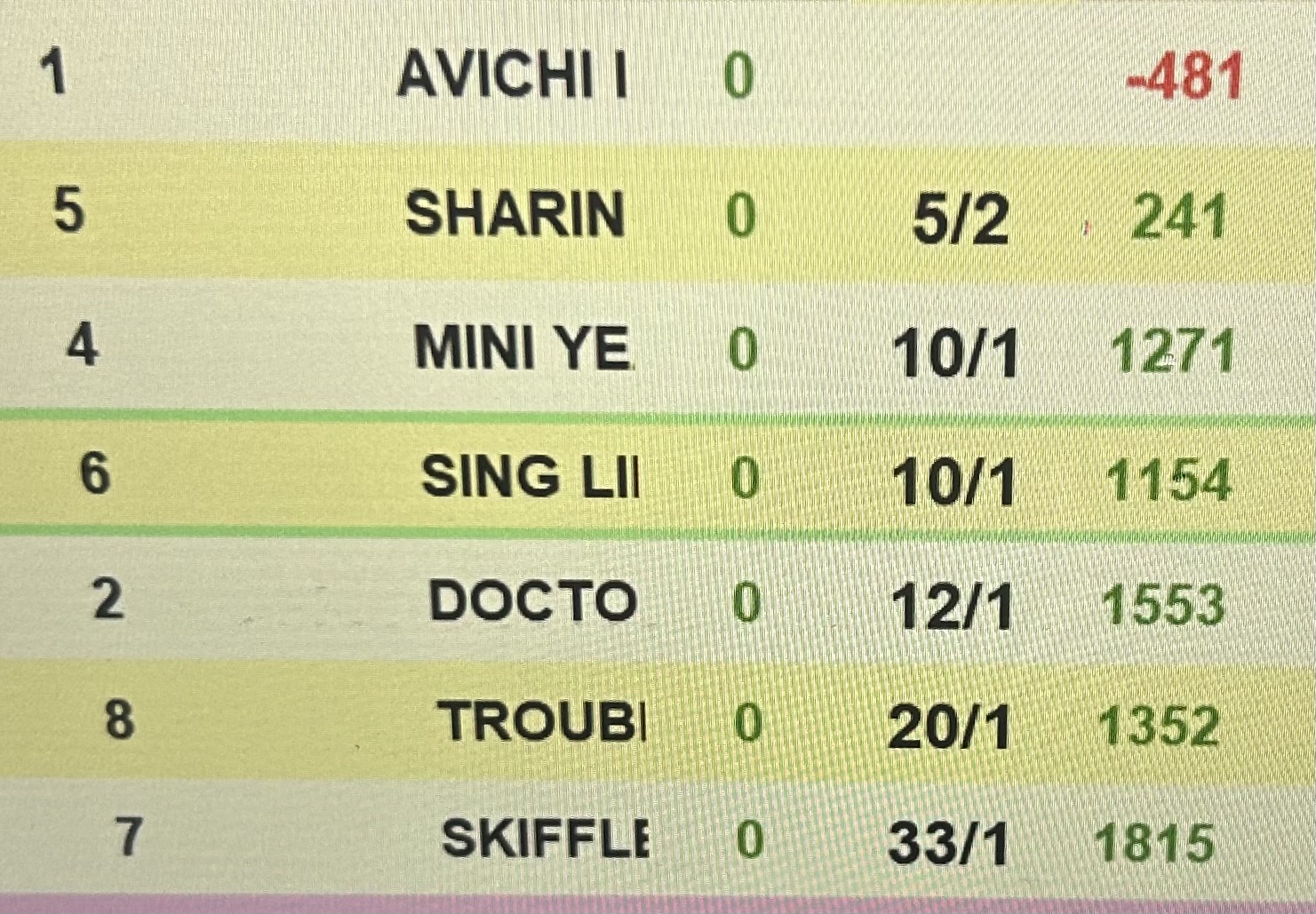
Mark opened Avichi In The Park at 4/6, ridden by Brad Gibbs, the outstanding jockey on the Welsh circuit.
Early-season restricted races are ones I don’t mind having a go on. I was happy to have a loser rather than insist on betting “overs” (showing a profit whichever horse won.)
I laid Sharing Is Caring at 6/1. He eventually finished second at 5/2, although I knew I’d laid the wrong price long before that.
A certain judge was backing him.
I got busy “pulling” the others — pushing their odds out to attract money elsewhere. Near the off, I still had the favourite winning and Sharing Is Caring losing, so I went even money Avichi In The Park.
An even £500 from a known punter, and more besides, soon rearranged things.
At the off, the favourite lost me £500, Sharing Is Caring won me £250 and everything else around £1,200 plus.
Avichi In The Park briefly encouraged me by travelling towards the rear, before Brad brought him through to win by six lengths.
Welcome back to the trenches. The bogey wins and the gamble finishes second.
Race two: a little knowledge helps
Young-horse maidens can be dangerous races for bookmakers. We often have little idea how good the horses are, while their connections tend to know rather more.
Opening prices come with a sizeable overround before money and opinion knock the market into shape.
Here, I had been asked to put a bet on for someone and had confidence in their confidence.
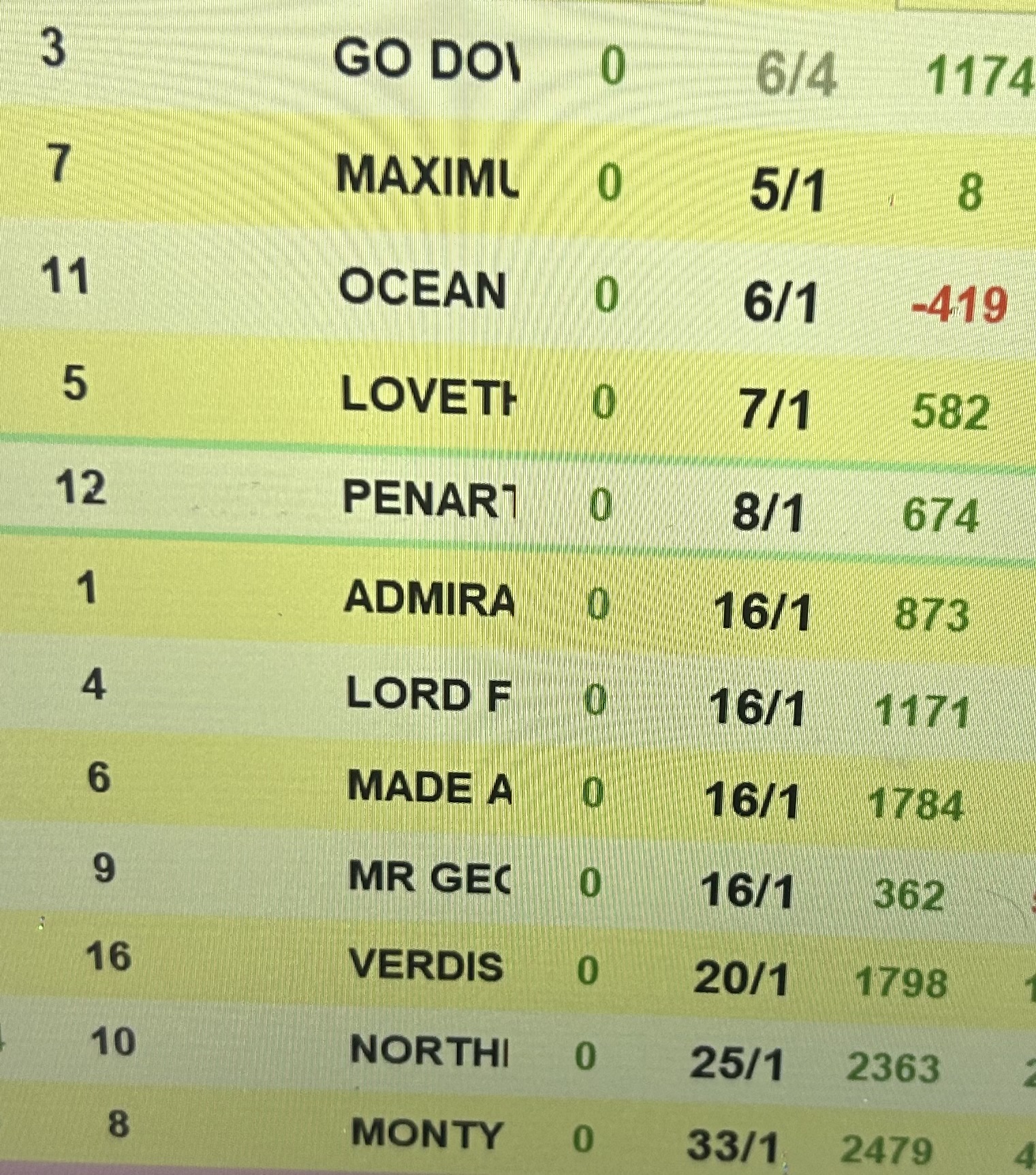
The horse was Go Down Rockin. I placed the bet, kept him shorter than the market on my board and offered bigger odds about the other fancied runners.
It gave me something to build a book around.
He won by a neck from a horse I’d offered at 25/1. The runner-up would have won me £2,500, so we nearly had a proper result.
As it was, the winner won me around £1,000. A useful recovery, helped considerably by knowing which way to lean.
Race three: a monkey and a box of frogs
The three-runner men’s open looked awkward.
Bumpy Evans was clear on ratings, but I knew him from under rules. Capable, certainly, but with his own ideas about the job. He likes company, and a small field hardly looked ideal.
We opened 1/2 Bumpy Evans, 5/2 the second favourite and 7/2 the outsider.
Taking on quirky horses comes naturally to bookmakers, but the difference in ability meant he had to be odds-on.
I tried to get him into the book without offering evens. Meanwhile, I took money on the others, including £400 at 7/2 about the outsider.
With both alternatives subsequently at 3/1 on my board, they accounted for 50% of the book between them. Evens the favourite would have left no margin.
So I got left with Bumpy Evans.
Bumpy Evans then got left at the start, having refused to race.
I lost a monkey — £500 — and was fuming with myself for having a horse I already considered as mad as a box of frogs a winner.
Being beaten by something you saw coming is particularly irritating.
Race four: a profit will do
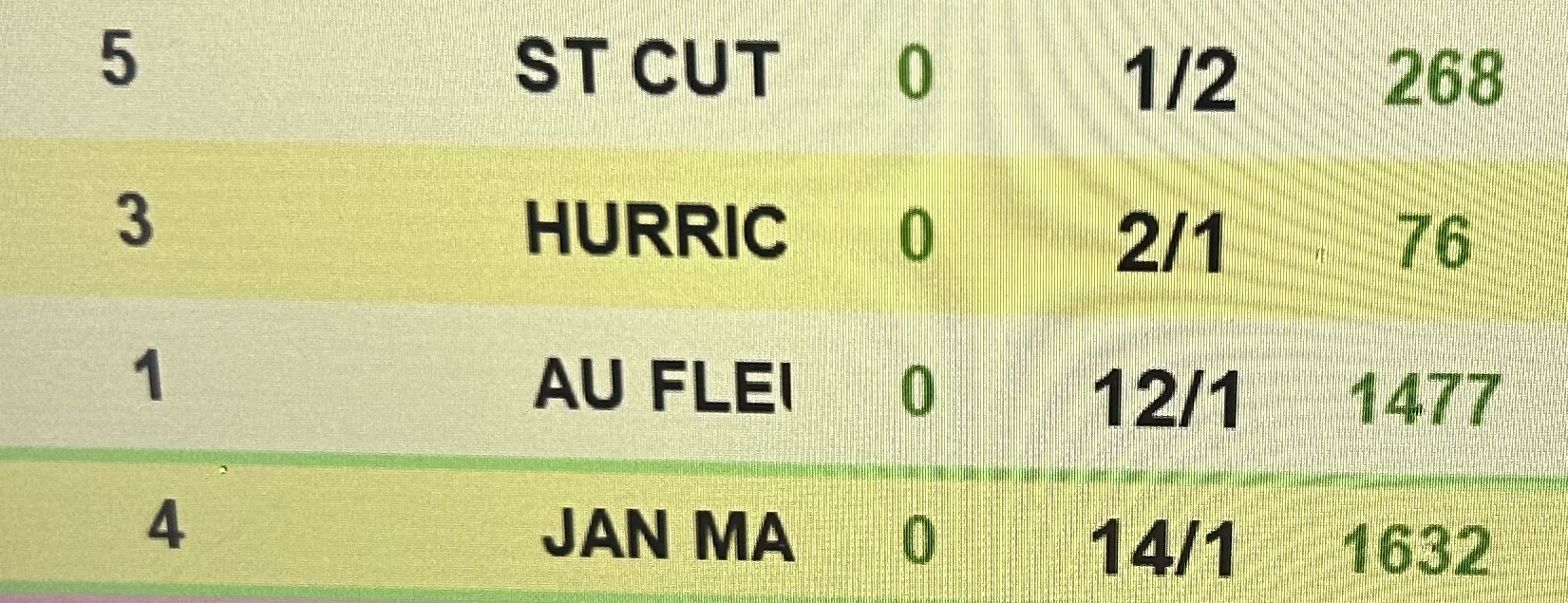
The ladies’ open looked a race in which to make a book. We rarely get a result in these contests, and Joe O’Shea’s St Cuthbert’s Cave was clear on ratings.
He opened at 1/3. With the largely recreational crowd backing the others, I pulled him to 4/7.
Had I been further in front, I’d have kept him shorter. Instead, I wanted to bet overs.
The favourite won me around £200, the second best £100 and the two rags £1,500 each.
A lovely-looking book, although realistically worth either £200 or £100. The outsiders generally need a miracle.
None arrived. St Cuthbert’s Cave won by a length and both rags pulled up.
A profit secured, although having been given a winning mark earlier, I still felt I should have been doing better.
Race five: faces, not pound notes
Another maiden, and a reminder of one of my earliest bookmaking lessons.
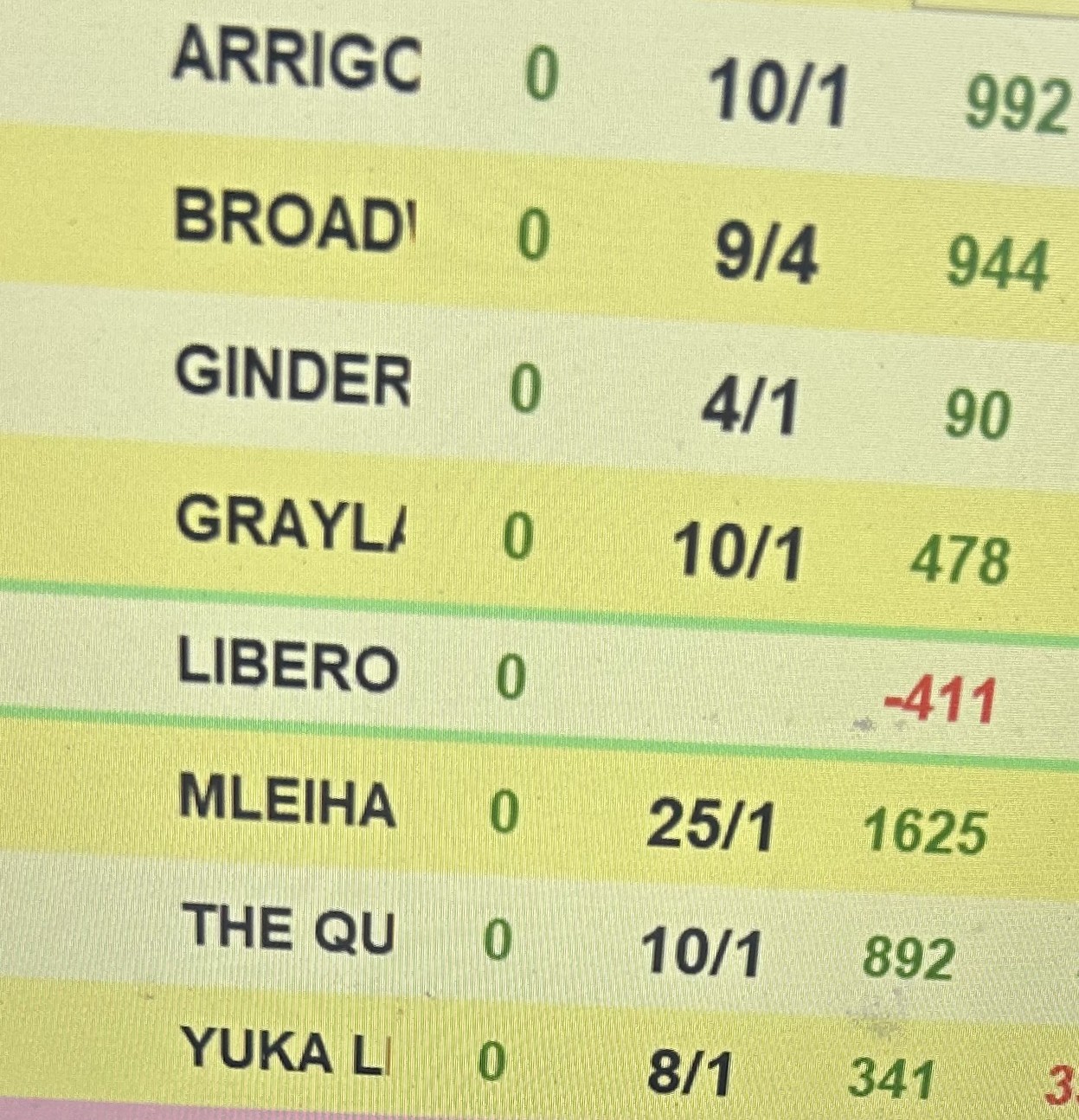
Someone connected to the yard had £40 with me on Broadway Dreamer, ridden by Brad Gibbs.
Forty pounds wouldn’t ordinarily attract much attention. But this was someone who usually had a fiver.
That was my signal.
I shortened Broadway Dreamer immediately and pulled the rest of the field, taking money on the horses I now wanted in the book.
He returned at 9/4, won by 18 lengths and won me a grand.
That £40 told me more than a much bigger bet from someone else might have done. Bet to faces, not pound notes.
Race six: still learning patience
The lucky last. The river or the razor, as some bookmakers would shout.
“Back a winner and you’re off to the pub. Back a loser and it’s home to the wife. And I’ve seen your wife, sir, so I really do hope you back a winner.”
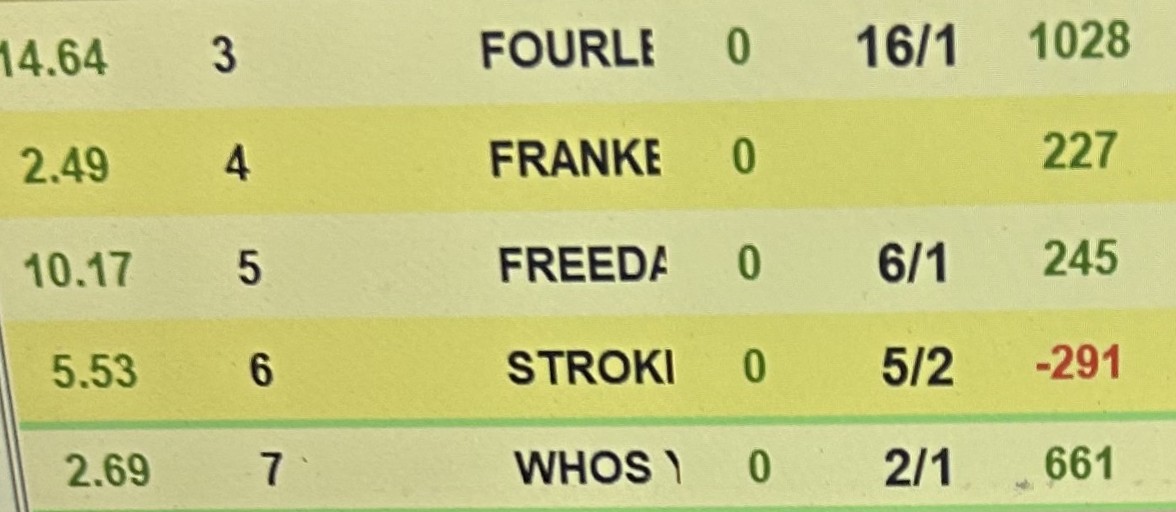
The bumper offered little form to work with. Brad Gibbs’s mount Who’s Your Father vied for favouritism with Joe O’Shea’s Frankelly.
The warm faces were on Frankelly; the local support was for Who’s Your Father.
Around £2,000 in front, I wanted to make a book and avoid giving much back.
Then I got impatient.
I pulled Dai Walters’s homebred Stroke Of An Angel too quickly, laid a fair bet at 6/1 and eventually backed her myself at much shorter odds to cover the liability.
The really good bookmakers have patience in spades. I’m still working on mine.
Stroke Of An Angel won impressively, providing a welcome result for the rest of the ring and a loser for me.
I’ll keep her on side under rules. Preferably without laying over the odds first.
What the afternoon was worth
We finished just under £2,000 in front before expenses, turning over around £16,000. That is more than I’d take at plenty of meetings under rules without a particularly big individual bet.
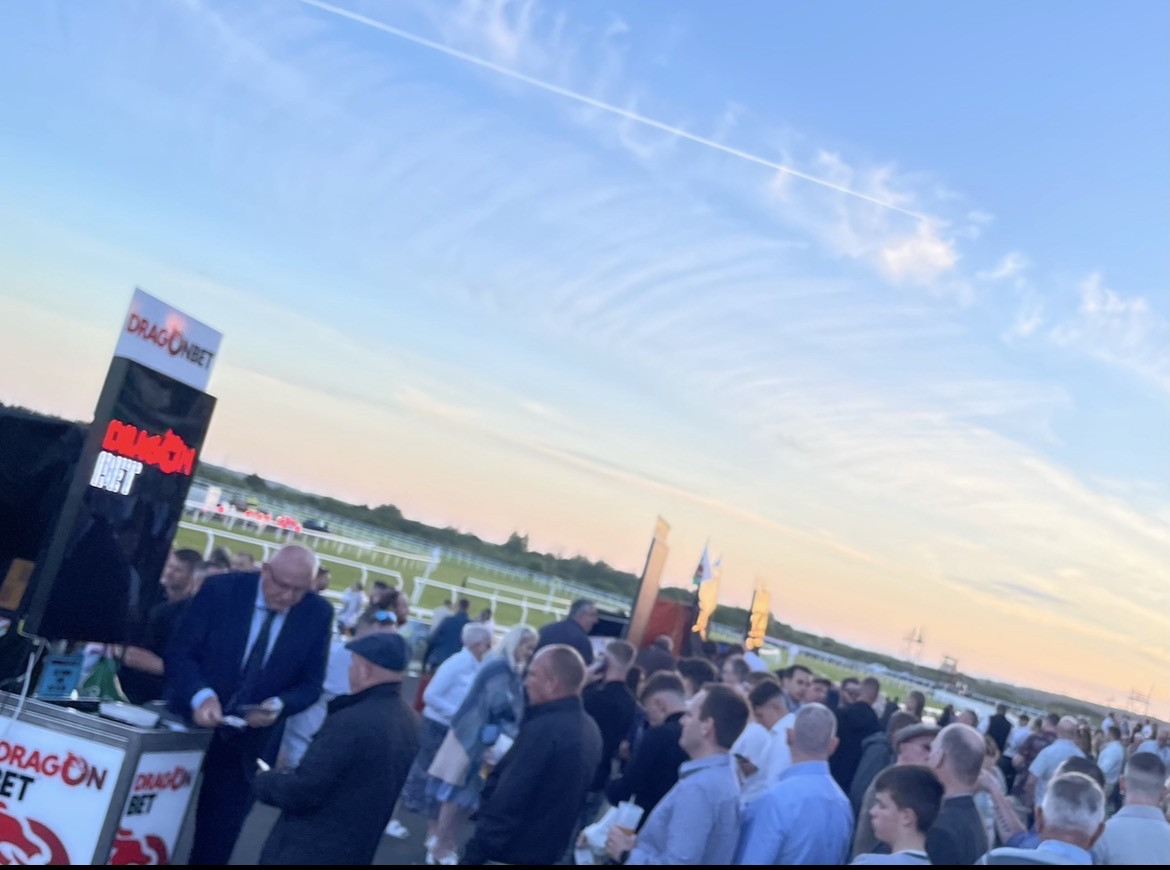
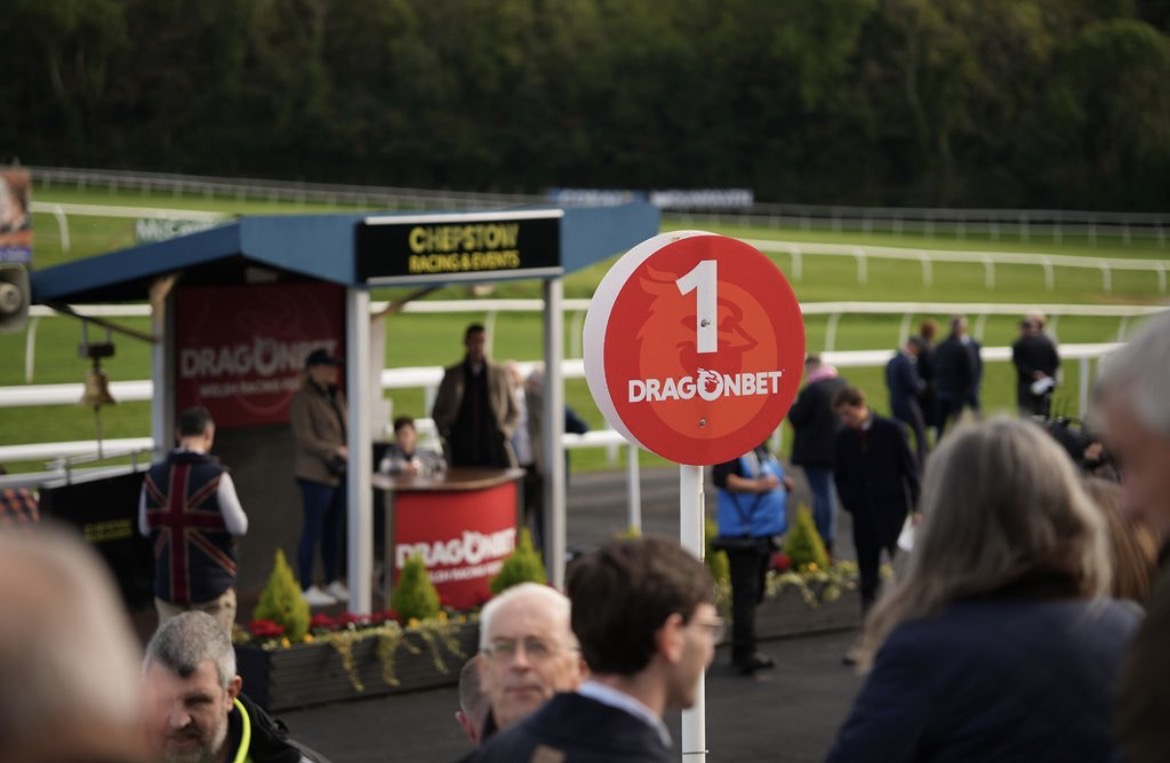
Plenty of tickets were issued. People were having a bet, forming opinions and enjoying their racing. The ring was alive and well.
I came away reminded that patience matters, a marked card helps and the face in front of you can tell you more than the stake.
Of course, the larger overrounds help. But they’re there for a reason. At a point-to-point, the difference between what a horse is genuinely worth and the price at which you might initially lay it can be enormous. Information is unevenly distributed, and some people know considerably more than others.
You might lay a horse at 6/1 that eventually starts at 5/2, as I managed to demonstrate rather painfully in the last. That doesn’t necessarily mean you’ve made a bad book overall, but it certainly means you’ve made a bad bet.
It’s why the percentages need to be bigger, and why knowing your customers, reading the market and exercising a bit of patience are so important.
Most importantly though, Welsh pointing was back for another season, thanks to people prepared to do the work.
These meetings give people a way into racing and somewhere to learn their trade. I know how much they have mattered to mine.
The bigger stages benefit from what happens in these fields. For the sport, and for us bookmakers, there are few better classrooms than a point-to-point.
Long may that continue.