There is something wrong when a sport’s funding model makes its biggest and most engaged fans the least appealing customers to those who supply the odds on it.
I’m talking about the type of punter who studies the form, watches the replays, reads the racing pages and has an opinion about a novice hurdler before most people have learnt its name. Someone who enjoys the puzzle as much as the bet, follows racing throughout the year and keeps coming back because the sport means something to them.
The type who gets the most bang for their buck because they don’t do their nuts in a single session. They bet sustainably throughout the year, drawing plenty but losing small.
You would think this was the ideal customer from an operator’s point of view, right?
After all, retention is cheaper than acquisition.
Well, you’re wrong. Under a turnover-based media-rights model, they can be pretty much the worst.
An arber knows the game they’re playing. They know restrictions or closure are likely to come with the territory. But the punter who puts the work in, loves the sport and isn’t even winning? They have every reason to feel aggrieved when their stakes are cut or their account is closed.
And then, when the industry faces a greater tax burden, we ask those same punters to stand alongside bookmakers to protect the sport. You can understand why someone who has been restricted despite losing money might feel less than enthusiastic about answering that call.
Where media rights are charged as a percentage of betting turnover, what should be an ideal customer can become one of the most expensive to accommodate.
The distinction between turnover and profit is central to this. Turnover is everything a customer stakes. It isn’t what they deposit, what they lose or what the bookmaker earns.
Even the average punter, with the wealth of modern resources at their fingertips, can deposit a relatively modest amount, recycle their returns through dozens of bets and generate considerable turnover. They might finish the year slightly behind, having enjoyed plenty of racing for a cost they are comfortable with.
No consideration for affordability and a fun time had. The way it should be.
But every time that money goes round again, a turnover-based charge takes another bite.
I can’t go into the commercials, but it’s not an insignificant percentage either. The charge can swallow the bookmaker’s margin and more. The customer doesn’t have to be winning for the bookmaker to be losing.
The most valuable fans of the sport become unattractive to the operator precisely because they get so much enjoyment from it at so little cost.
The way media rights are charged is causing a horseracing death spiral.
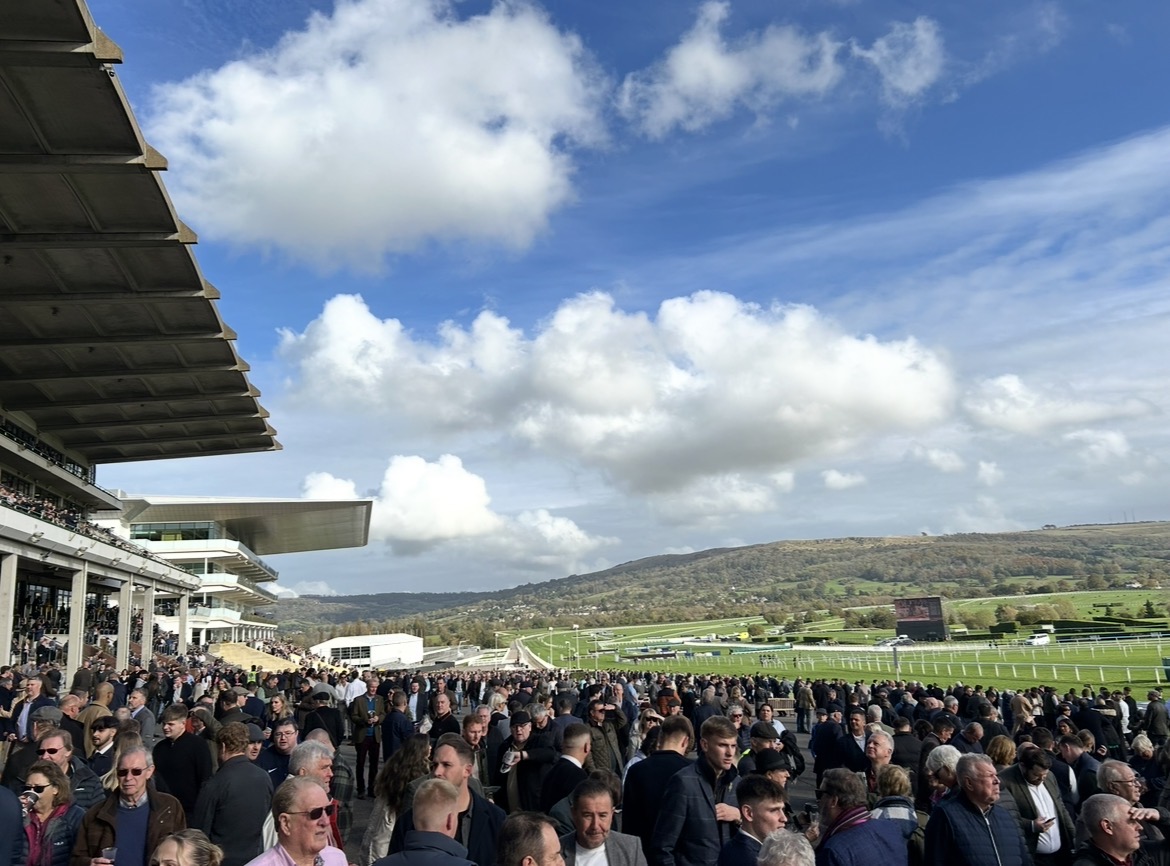
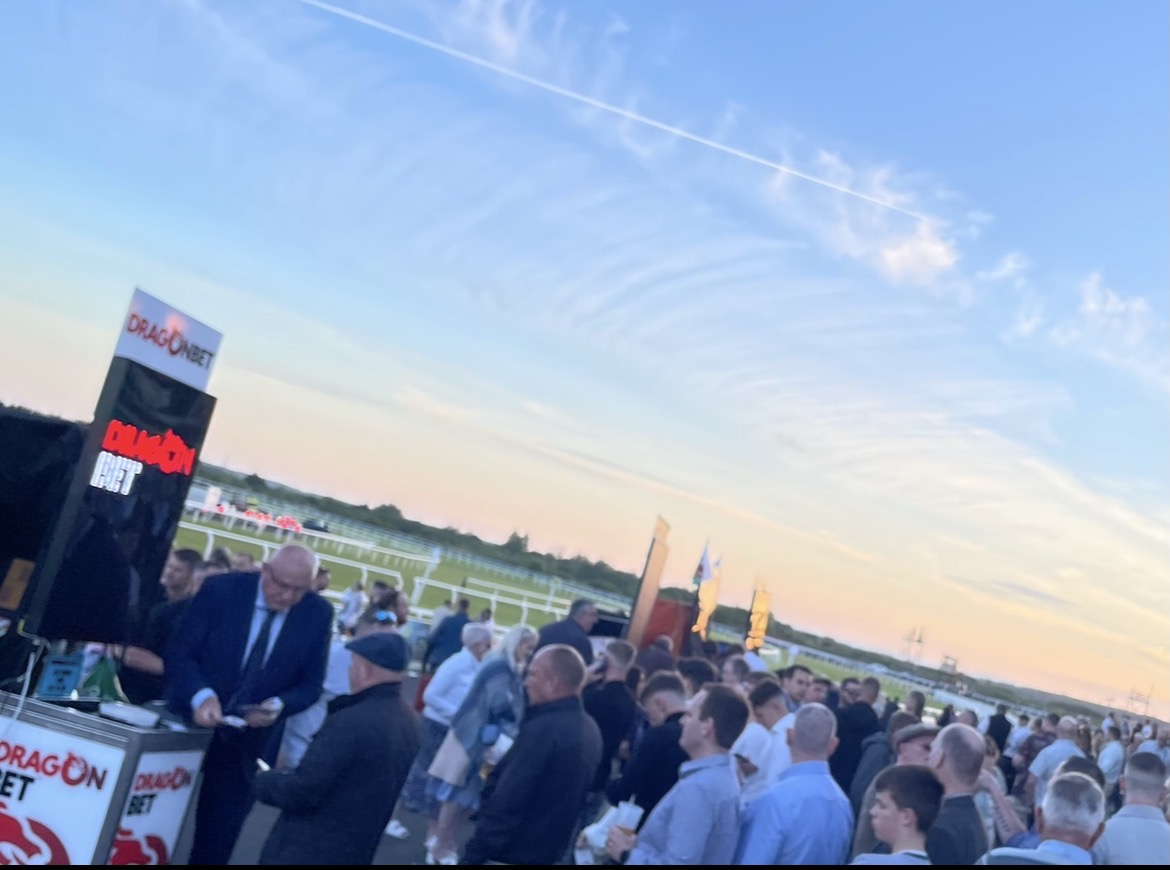
The same problem shows itself at the other end of the sport, through the racecourse gates.
Putting on a raceday is expensive. Opening it to the public brings staffing costs and the risk that not enough tickets will be sold or money spent behind the bar. Media-rights income gives a racecourse revenue that doesn’t depend on whether anybody turns up.
I’ve stood at tracks on a wet and windy January afternoon when they’ve sold 50 tickets to the general public, yet still had to employ bar staff, a car park attendant and a health and safety officer, and pay to keep the lights on.
I understand the economics. If the meeting generates income regardless of attendance, the immediate incentive to make the racegoing experience attractive is weakened.
Stick a crappy burger bar in the corner and don’t worry too much about the experience. We don’t need the racegoers.
But the sport does. It really does.
To become a real fan rather than a Saturday observer, there is no better gateway than the racecourse. The sights, the sounds, the people, even the occasional whisper in the betting ring. That is where racing gets under your skin.
When the racegoer’s experience becomes secondary to the income generated by staging the fixture, “penny wise and pound foolish” comes to mind.
Off the track, the consequences follow a similar pattern. If racing customers become harder to serve profitably, bookmakers have more reason to focus elsewhere and steer punters towards other products. Investment in racing becomes harder to justify, and the sport risks being left behind.
Think of bet builders and goals galore on football. Racing needs that same appetite to give customers something new.
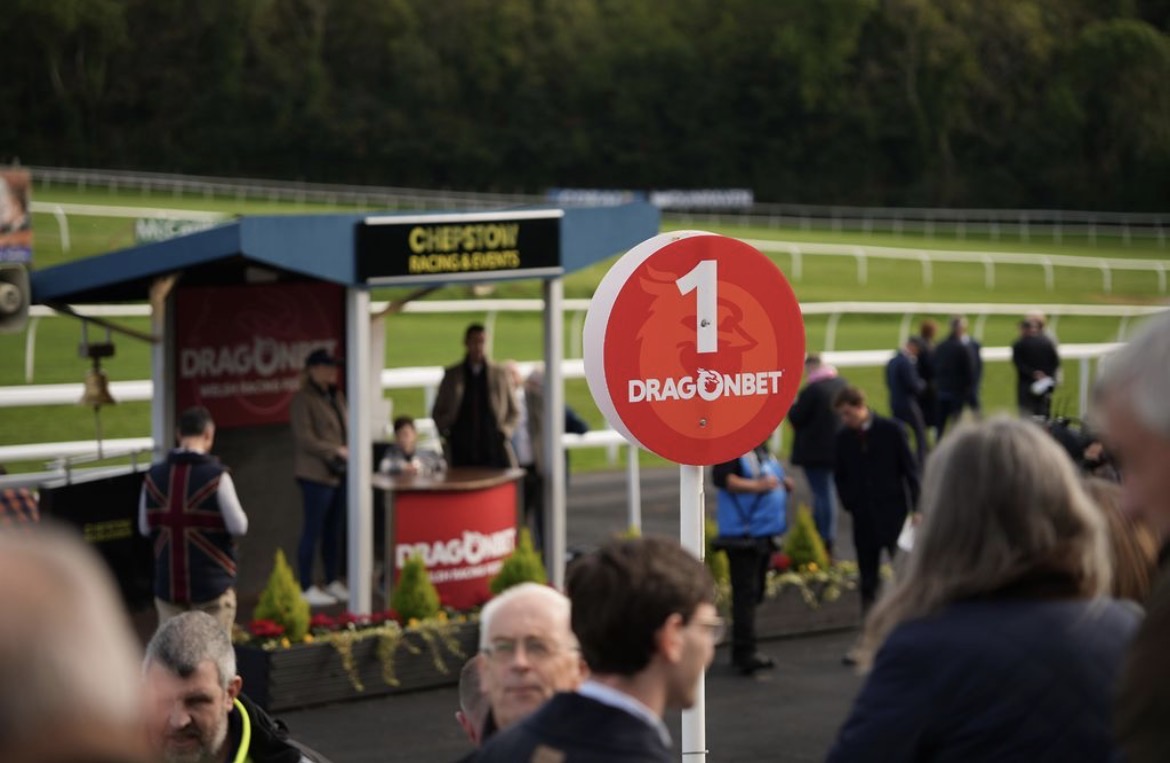
We’ve tried to push against that with our new BETGLIDER product on www.dragonbet.co.uk. Check it out if you have an account. It’s in its early testing days, but we like it.

Bookmakers also need to take responsibility for their own faults. Media rights don’t explain every restriction, and I’m not defending poor treatment of customers. I’ve been a punter and understand the frustrations.
At DragonBet, we employ people who know the game and are sympathetic to that side of it. We also don’t have the technology and algorithms of the big corporations, or their huge numbers of customers. We do our best to hold on to the ones we have.
Sometimes at a negative EV.
Racing deserves to be paid for its product. It costs a great deal to stage, and bookmakers benefit from it. But a funding mechanism that makes an engaged, sustainably betting racing fan commercially unwelcome is approaching insanity.
In the short term, the sport collects its fee. In the longer term, it risks losing the customer whose enthusiasm generated that fee in the first place.
I don’t expect media rights to change any time soon. But I hope the industry eventually recognises the damage this charging model can do and finds a more sustainable way to fund the sport.
As a punter and bookmaker, it’s the hope that kills you.
But here’s to hoping anyway.
18+. Please gamble responsibly. Free confidential support is available from GambleAware on 0808 8020 133, and you can self-exclude from all UK-licensed online operators through GAMSTOP.