To the casual observer, a bookmaker is a bookmaker. A board full of prices, somebody taking your money and, hopefully, giving you more back afterwards.
But behind those boards there can be a world of difference in how the businesses operate. In the old days, the starkest distinction was between the betting ring and the rails.
They were taking bets on the same horses, sometimes standing only a few yards apart, but playing quite different games.
The rails bookmakers traditionally served the members’ and premier enclosures of racecourses, although they weren’t permitted to sully the soil by actually standing in them. They stood on the Tattersalls side, putting a flap bearing their name over the dividing rail and conducting business across it.
They could call out their prices or show them on a card, but displaying their odds on a board wasn’t allowed.
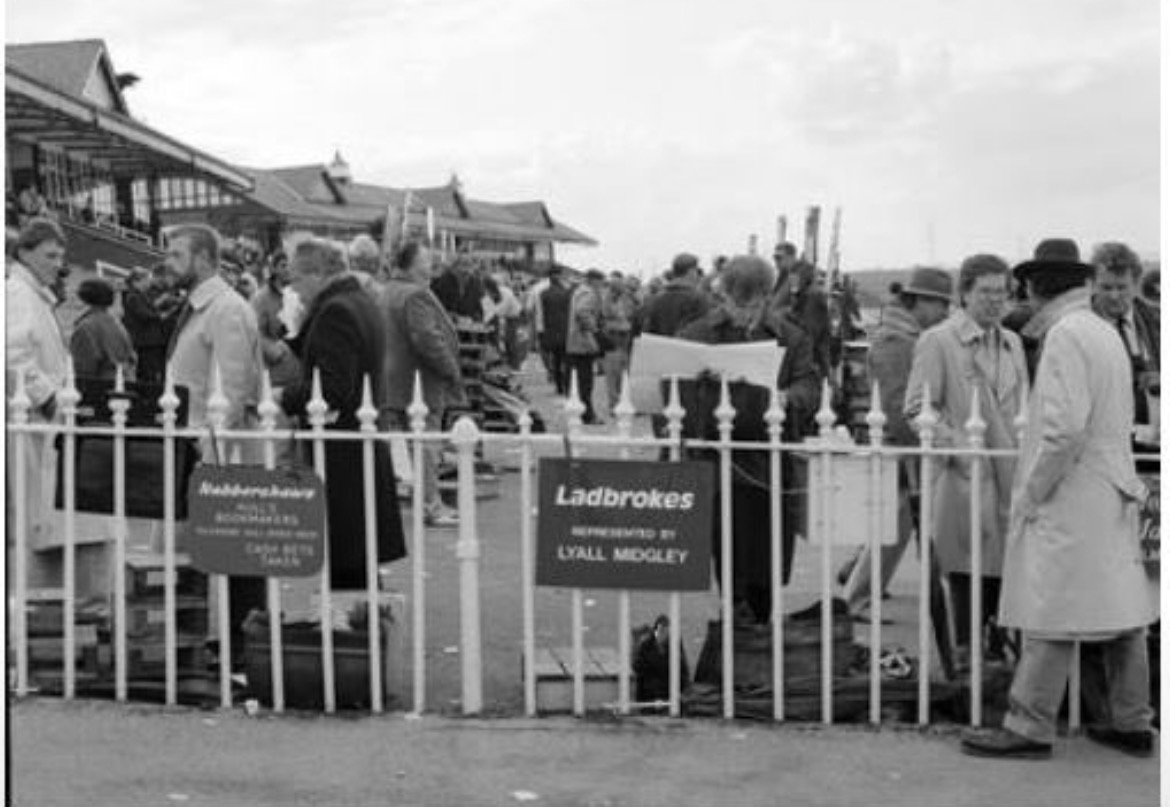
Most of these firms dealt principally in credit. Their customers were wealthy owners, substantial gamblers and well-heeled regulars who settled their accounts afterwards. The business depended on relationships, reputation and knowing exactly who you were dealing with.
These were the real “layers”. At their most traditional, they were less concerned with making a balanced book than with deciding whose money to keep and whose to move on.
“Warm money” was a bet carrying information you would rather not be on the wrong end of. Money from a shrewd judge or a well-connected source might be passed straight into the betting ring. A bet from a guesser, or an owner backing their horse with more affection than judgement, might be kept.
Of course, a large bet didn’t automatically mean an informed one. Knowing the difference was rather the point.
To be a good rails bookmaker, you needed balls of steel, an ability to build relationships and a sound understanding of what to hold and what to send elsewhere.
A good outside man was priceless. This was the member of staff moving your liabilities into the ring, finding prices and acting as your eyes and ears among the other bookmakers. You needed somebody who could spot what was happening and act before everybody else had caught up.
The rails firms often had the advantage of receiving important market information first. Customers wanting substantial bets went to the people prepared to accommodate them.
The best operators knew exactly what price a horse was elsewhere in the ring. If they could lay it at a shorter price, back it at bigger odds and have a little extra on for themselves, they could turn a customer’s bet into a position of their own.
They kicked with both feet. They were layers and backers.
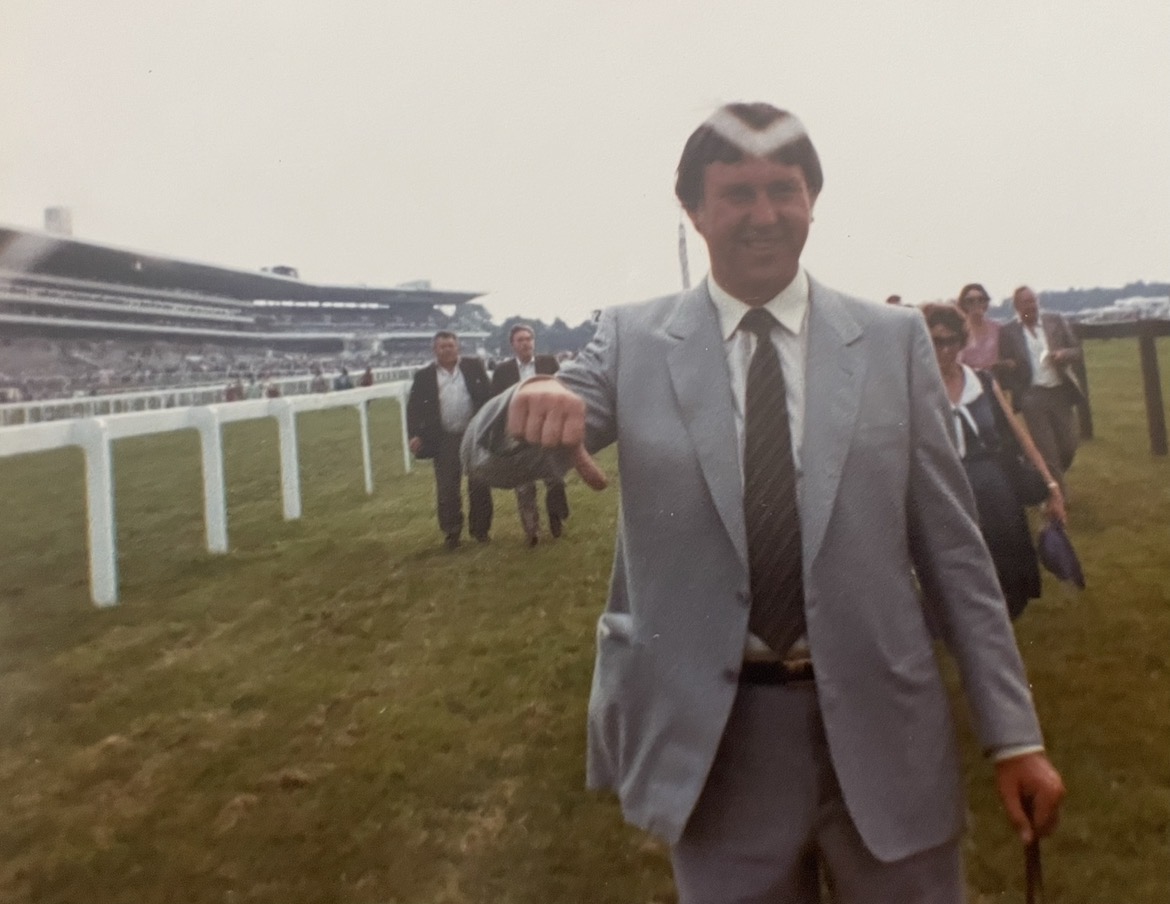
At their grandest, these were the supremos of the track. Think Versace ties, cigars and Rolls-Royces. Streetwise, smart and quite comfortable with sums of money that would make most people reconsider their choice of occupation.
There was a certain standing attached to being a rails bookmaker, too. Some undoubtedly considered themselves a cut above the firms working the boards. But plenty on the boards had their own opinion of that.
Making a book
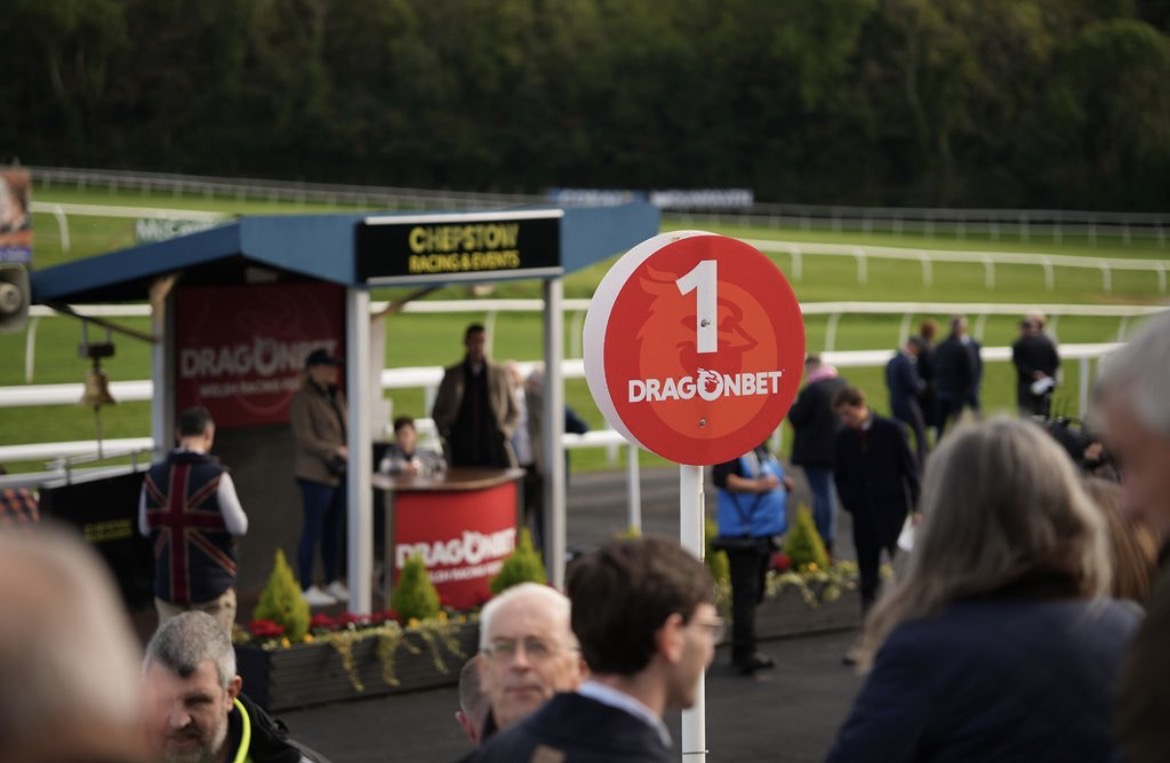
The boards bookmakers, standing in Tattersalls — usually shortened to Tatts — generally worked a different market.
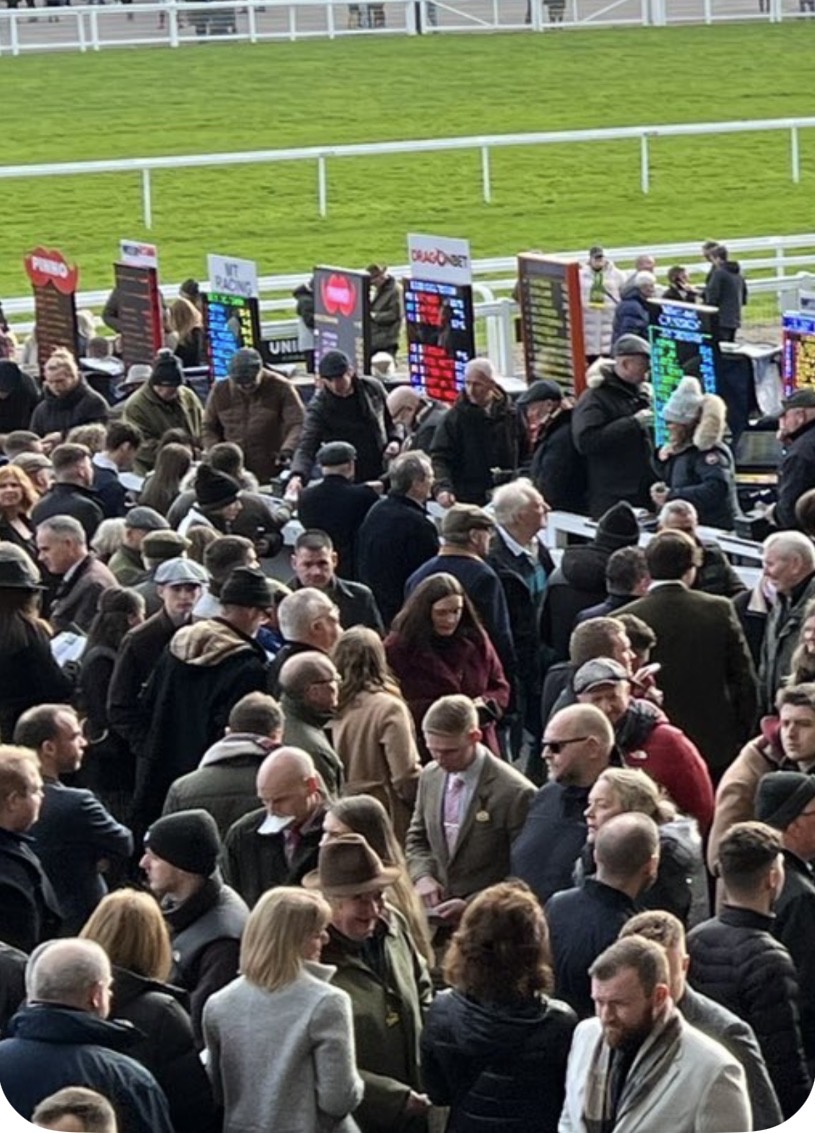
This was the main public betting ring, with the greatest number of racegoers and, traditionally, the greatest number of individual bets. Regular punters, betting-shop customers, coach trips from the working men’s club and people enjoying their one afternoon’s racing a year.
Broadly speaking, the business relied on percentages and volume.
The aim was to bet “over”: to reach a position where, whichever horse won, you made a profit. Getting there was another matter.
You wanted a spread of bets across the field. Taking a few quid on an outsider was useful business when you were already standing the favourite for rather more than you would have liked.
My old man used to tell me that, beyond the overround percentage you were working to, the next most important part of tatts bookmaking was taking a reasonable number of bets.
You could have all the lovely-looking percentages in the world, but they weren’t much use if everybody backed the same horse.
Where a rails firm might take fewer than five bets on a race, a busy Tatts bookmaker could be issuing tickets almost continuously. The crowd was there, the odds were on display and the job was to turn that opportunity into a workable book.
Many were family businesses looking for a steady living. Less of the fancy suit, more of keeping the show on the road through a long season of early starts, wet afternoons and favourites that apparently couldn’t get beaten.
That isn’t to say boards bookmakers lacked nerve. Barry Dennis, to name just one, was hardly a man frightened of taking an opinion. But the traditional ambition was to avoid the enormous swings some rails firms accepted as part of their business.
Relationships still mattered, especially with regular customers, but you weren’t dependent on a carefully cultivated credit clientele. You had to be quick, organised and able to deal with whoever arrived in front of you.
The tic-tacs kept you informed of movements elsewhere in the ring. It was difficult to bet overs if you had laid plenty of 2/1 about a horse that started at evens.
Hedging was generally about reducing an uncomfortable liability and improving the shape of the book, rather than moving a particular customer’s warm money.
Same horses. Different reasons for having a bet back.
When the divide began to disappear
But things changed, as they have a habit of doing.
Access to premium enclosures broadened, cash business became increasingly important on the rails and the old credit arrangements began to fade.
Then came a crucial change: following a Levy Board decision in 2000, rails bookmakers were allowed to display their odds on boards facing into the members’ enclosures.
Suddenly, their pitches offered something very different.
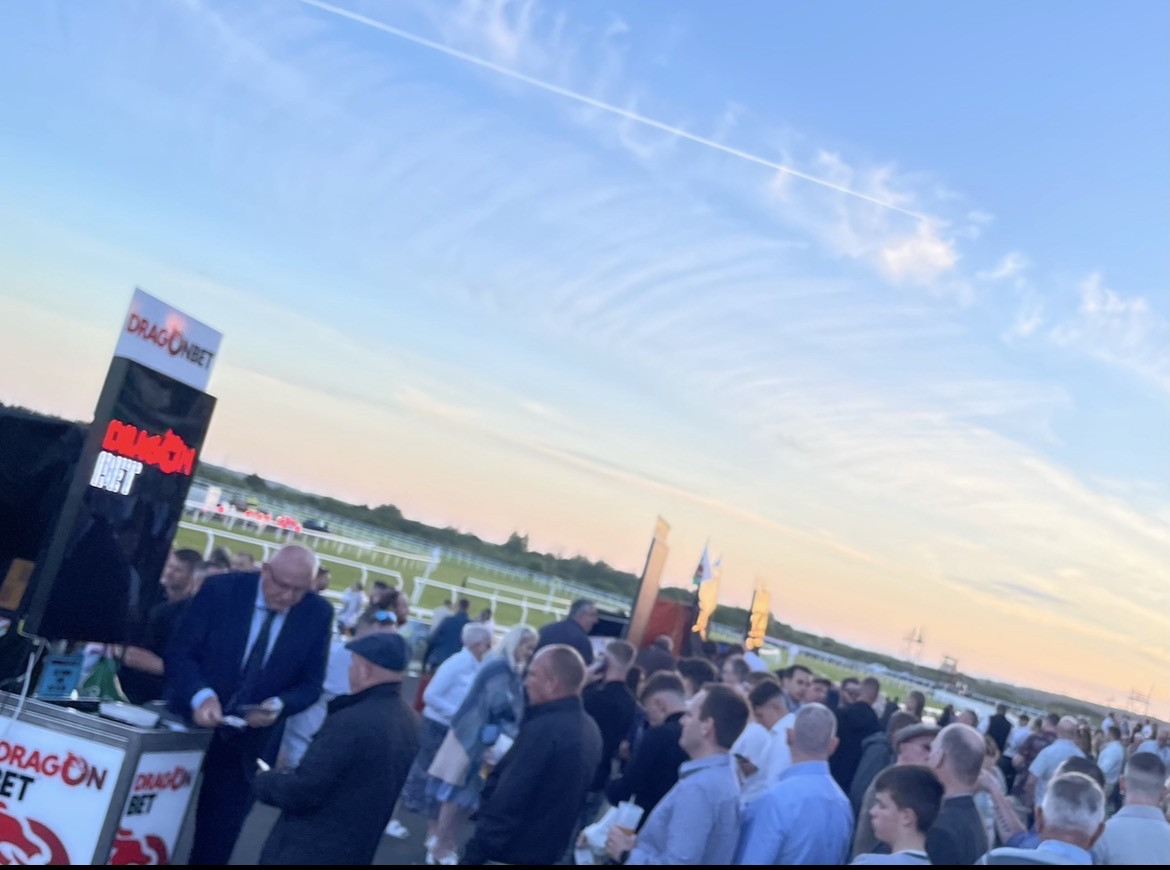
A racegoer in a premium enclosure could see the prices, compare them and have a cash bet without crossing into the Tattersalls ring. Premier enclosures often meant premier pockets, and now the bookmakers serving them could advertise their wares properly.
Tatts firms began wanting to work the rails. Positions that hadn’t previously suited their way of operating became very desirable indeed.
The traditional rails bookmaker didn’t necessarily welcome the arrival of the take-it-quick, take-it-sweet-and-make-a-book approach.
There had always been a divide: in how the firms operated, often in how they dressed and certainly in how they served their customers.
But while some disliked the changing company, the ability to display their prices was rather better received. So was the rising value of the positions they held.
Cash taken
Nowadays, the distinction between a rails and a Tatts bookmaker is much harder to spot, if it exists at all within a particular firm. Many businesses hold positions in both and adapt to the customers in front of them.
Look carefully, though, and there are still clues.
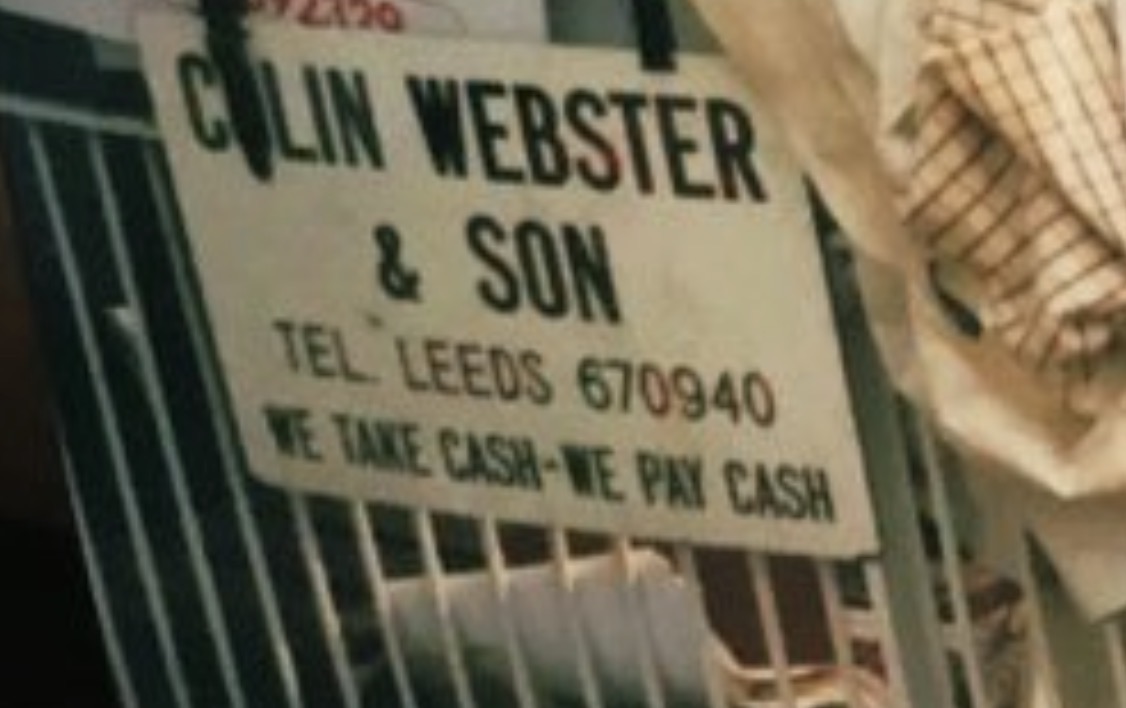
On some of the old advertising flaps, you will see the words “Cash Taken”.
It seems a curious thing for a bookmaker to announce until you understand the history. Those words survive from a time when the usual transaction was entered into an account, backed by a relationship and settled later.
The ways bookmakers operate still vary. There are firms prepared to take the biggest bets, firms with the best information, firms just trying to make the favourite a loser and firms happiest taking a spread of money and trying to bet ‘overs’. Often, there is a bit of each within the same business.
That is part of the fascination of the ring. Behind apparently similar boards are different opinions, different appetites for risk and generations of knowledge about how to earn a living from the same uncertain result.
And in a strange full circle, perhaps those “Cash Taken” signs will find a new purpose.
This time, explaining that the card machine isn’t the preferred option.
Good old readies still rule, and cash is king in the ring.