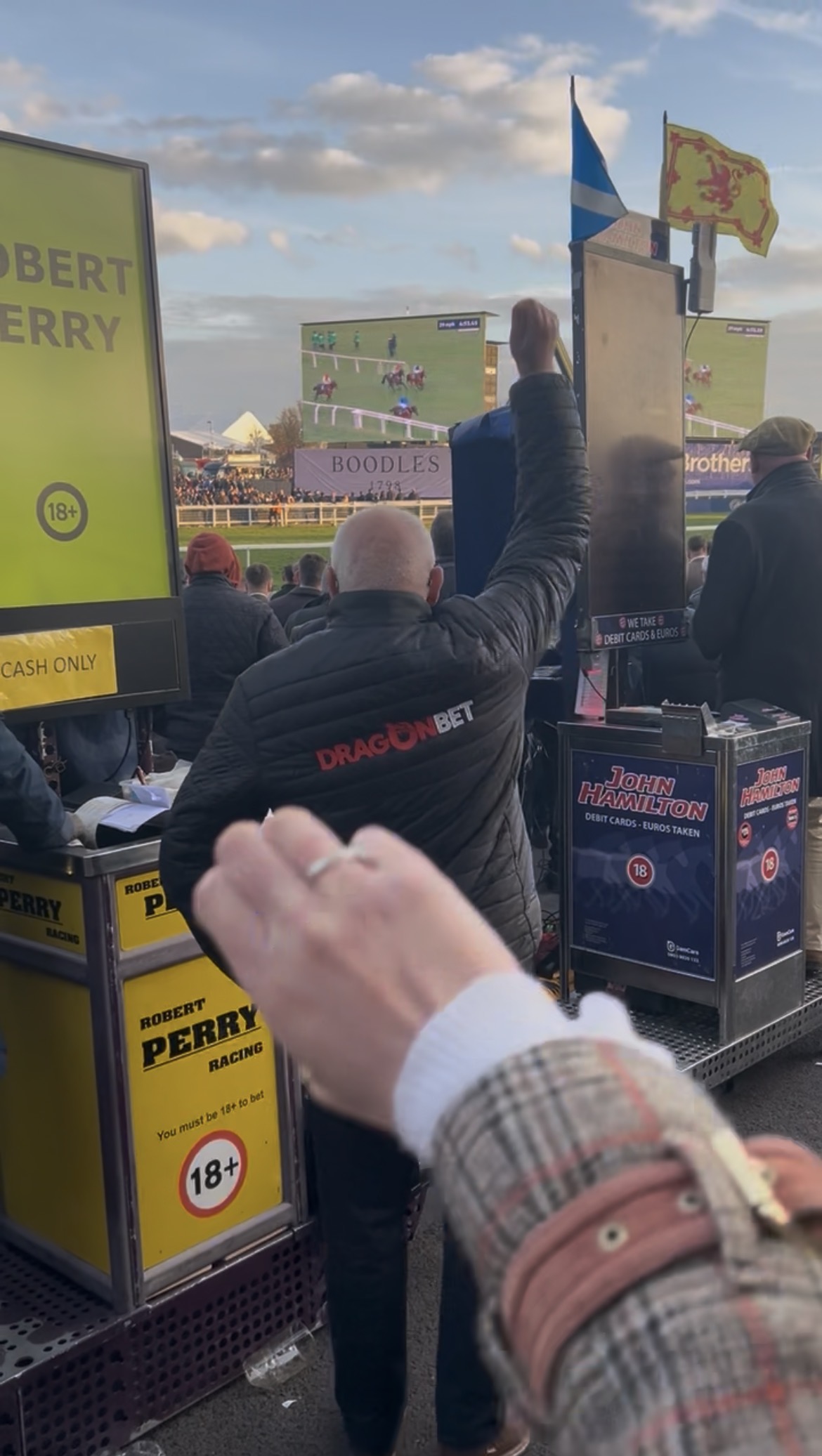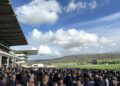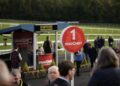
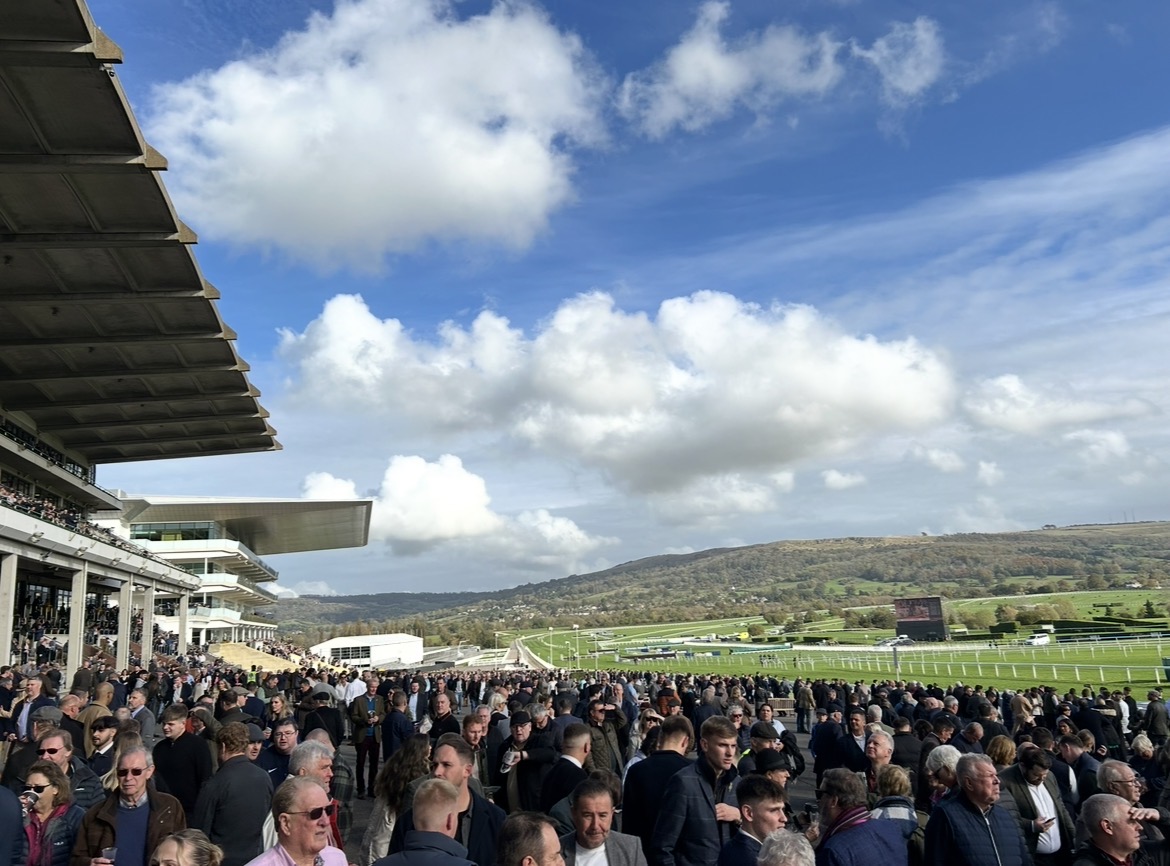
I’ve said it before, but stepping onto a bookmaker’s pitch at Cheltenham is about as close as I’ll get to walking out on the pitch at Wembley. It’s special, historic and, depending on what you’ve laid, can be frightening.
I often wonder how much money has passed back and forth across that stretch of tarmac between the stands and the racetrack. Over the years, you’d imagine we’re talking billions rather than millions. Plenty of it handed over with confidence, rather less of it collected with surprise.
We operated two pitches over the weekend, one on the rails and one in Tatts. With storms forecast, it was difficult to know what business to expect. But one thing you can be fairly certain of when you set up the tools at Prestbury Park is that it won’t be dull.
Friday brought the bigger individual bets, as weekdays often do, and reinforced something I’ve been thinking for a while.
The betting ring is changing. I can see it in front of me and in our accounts. The average bet is getting bigger.
That doesn’t necessarily mean we’re taking more bets. It means there is more money behind the ones we are taking. I explored some of the reasons in my previous blog about turnover returning to the ring.
You’d think that would be good news for a bookmaker. More turnover, more profit. Lovely.
But bigger punters generally aren’t guessers. And those who are don’t tend to remain bigger punters for long.
For the last few years, my approach has been fairly straightforward: take the bets I wanted at the prices on the board and be prepared to stand a position. Around £5,000 at the smaller meetings, £10,000 at the bigger ones and more at the festivals.
There was some comfort in knowing we were betting on the show, close to the off, in what should have been a reasonably well-formed market. I trusted the efficiency of the exchange prices and took the view that laying below them put the percentages in my favour.
I still regard the exchange starting price as the best available guide to a horse’s true chance. The difficulty is that I’m taking bets before that price has been established.
And increasingly, the price five minutes before the off is giving me rather less comfort about where it might finish.
Take Friday’s novice hurdle.
Cooltobekind, the Dan Skelton-trained favourite, was trading around 11/10 when we put the prices on the board and had shortened to 10/11 about five minutes before the off.
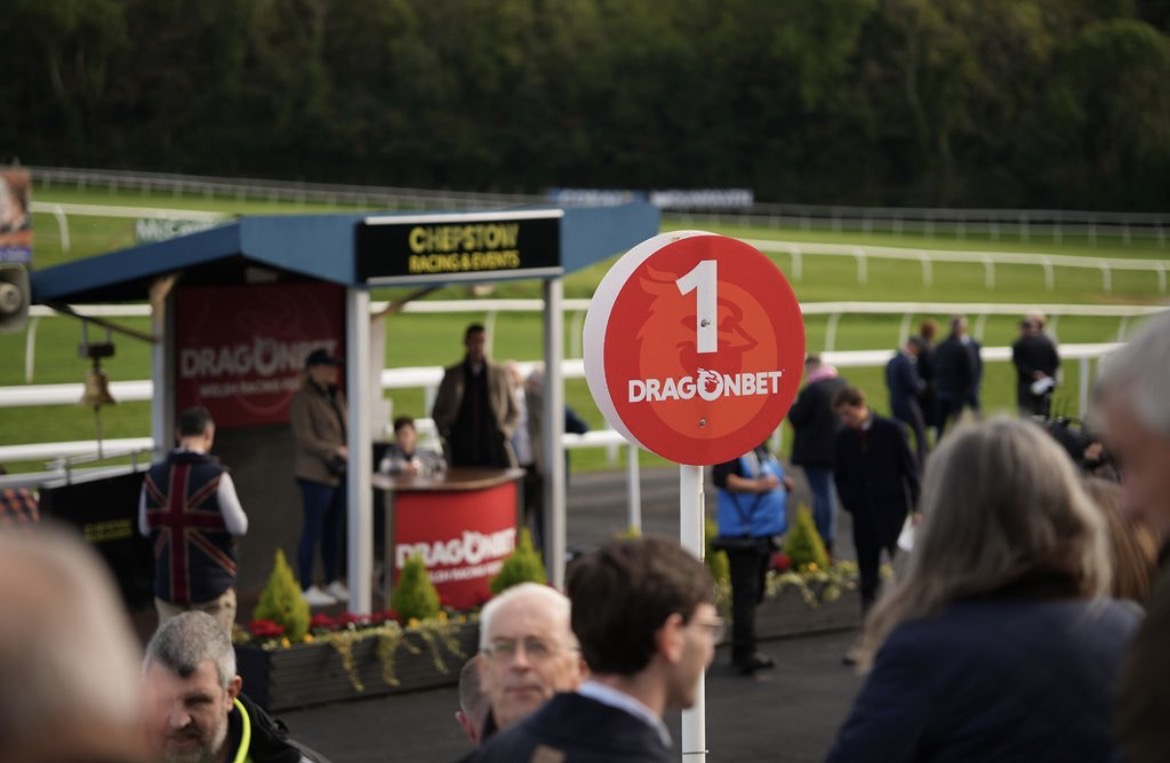
He had won at the DragonBet Welsh Racing Festival at Chepstow a few weeks earlier, having been backed from 6/4 into evens that day, with a £6,000 to £4,000 reported in the ring.
Solid, you’d think. I thought he would win.
Then a well-known face appeared, backing several horses against the favourite. He came to me asking for a decent bet on Kingofthefrontier at 40/1.
Knowing he was sharp, I halved him — bookmaker talk for offering half the stake he wanted.
Within a couple of minutes, the favourite had drifted from 10/11 to just short of 2/1 on the exchanges. Kingofthefrontier won at 20/1, and the other horses the punter had backed also shortened significantly.
Laying a winner is an occupational hazard. If that alone were enough to make me question my approach, I’d have been looking for another job a long time ago.
What interested me was how quickly the picture changed.
The favourite had been strongly backed at Chepstow and appeared solid again here until shortly before the off. He ran well, too. There was nothing about the performance that needed a sinister explanation.
I don’t know what the punter had seen or how he had priced the race. What I do know is that his bets gave me a better indication of where the market was heading than the prices on my screen.
That race wasn’t an isolated example. I’ve seen enough similar instances over recent meetings to make me think carefully about how I operate.
I’m all for more money coming into the ring. I want to take bets, and I want a busy market. But making the most of it might mean going with some of that money, or, more likely in my case, hedging more when the right people appear.
For a long time, the ring has followed the exchanges. I’m beginning to wonder whether some of the money returning to the racecourse is helping to lead them again.
If I were a punter, I’d be watching closely: getting to know the faces, noticing where the money was going and being careful about assuming the market had settled just because the off was approaching.
As a bookmaker, those same faces can help inform my decisions, much as they did before we all had an exchange price to lean on.
The skill may increasingly be less about what to stand and more about who to stand.
A ring is round, and I’m beginning to think the betting one is coming full circle. More judgement, more attention to the money in front of you and a little less faith in the screen.
That feels like bookmaking to me. And I’m all for it.